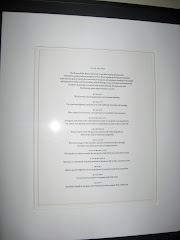
Jordan Chardonnay grapes grown primarily in the Russian River Valley are the first varietal to ripen for harvest. They are followed by red varietals that compose the Bordeaux-style Cabernet Sauvignon.
The vineyard crews pick the grapes in the cool of the morning while skins are firm. They are placed in 40-pound lugs, which are in turn loaded into gondolas. As the gondolas come into the winery from the vineyard, they are weighed at the scale and samples are taken for sugar analysis and cluster weights. There is a feeling of urgency, excitement and satisfaction in the air.
The grapes are gently removed from their stems in the crusher/de-stemmer. The stems are conveyed into a waiting dump truck that takes them to the vineyards for composting.
After a maximum of one hour of skin contact, pneumatic presses extract juice from the Chardonnay grapes. Cool fermentation in temperature-controlled stainless steel tanks further enhances the natural aromas and flavors of the Chardonnay fruit.
Grapes for Jordan Cabernet Sauvignon, harvested primarily from the estate vineyards in the Alexander Valley - Cabernet Sauvignon, Merlot and Cabernet Franc - ferment slowly in stainless steel holding tanks before pressing, acquiring the necessary extracts, colors and tannins from the skins.
Both Jordan Cabernet Sauvignon and Chardonnay undergo malolactic fermentation in oak casks to soften the natural acidity and enrich the wine. The young wines then age gradually in oak barrels selected from carefully selected regions of France and America. Blending - a tremendously difficult art born of intuition, skill and experience - balances flavor components to complement the distinctive varietal character of each wine.
Jordan wines are bottled at the estate and aged under optimal cellar conditions before their release to market. The exceptional balance and continuity of style of Jordan Cabernet Sauvignon and Chardonnay are recognized and appreciated not just in the United States, but also around the world.
The vineyard crews pick the grapes in the cool of the morning while skins are firm. They are placed in 40-pound lugs, which are in turn loaded into gondolas. As the gondolas come into the winery from the vineyard, they are weighed at the scale and samples are taken for sugar analysis and cluster weights. There is a feeling of urgency, excitement and satisfaction in the air.
The grapes are gently removed from their stems in the crusher/de-stemmer. The stems are conveyed into a waiting dump truck that takes them to the vineyards for composting.
After a maximum of one hour of skin contact, pneumatic presses extract juice from the Chardonnay grapes. Cool fermentation in temperature-controlled stainless steel tanks further enhances the natural aromas and flavors of the Chardonnay fruit.
Grapes for Jordan Cabernet Sauvignon, harvested primarily from the estate vineyards in the Alexander Valley - Cabernet Sauvignon, Merlot and Cabernet Franc - ferment slowly in stainless steel holding tanks before pressing, acquiring the necessary extracts, colors and tannins from the skins.
Both Jordan Cabernet Sauvignon and Chardonnay undergo malolactic fermentation in oak casks to soften the natural acidity and enrich the wine. The young wines then age gradually in oak barrels selected from carefully selected regions of France and America. Blending - a tremendously difficult art born of intuition, skill and experience - balances flavor components to complement the distinctive varietal character of each wine.
Jordan wines are bottled at the estate and aged under optimal cellar conditions before their release to market. The exceptional balance and continuity of style of Jordan Cabernet Sauvignon and Chardonnay are recognized and appreciated not just in the United States, but also around the world.
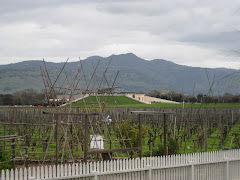
 the view from just outside our rooms...as the sun is going down