TerriorBorrowed from the French, the definition of terroir goes beyond that of the often—used Anglicized word, "microclimate." In addition to the effects of climate above, it embraces the superficial characteristics of the soil— down through to the depths of the ancient geology below.
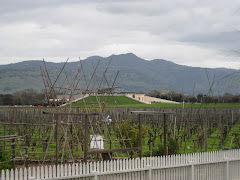
At Chalk Hill, each vineyard block has been delineated and planted based on the accumulated knowledge of soil profile and chemistry, aspect (orientation to the sun), slope (vertical degree impacting potential for drainage), and overall climate. Terroir divines our plantings, without regard to what may be fashionable today.
AppellationChalk Hill, the appellation, is one of 13 in Sonoma County-a region of fine wine, remarkable beauty, and agricultural abundance. Unique biospheres distinguish Chalk Hill from the neighboring appellations- the cooler Russian River Valley to the west and the warmer Alexander Valley to the northeast. Elevations in Chalk Hill are higher; soil fertility is lower. In amazing proximity, the soils range from shallow to deep, from thin to thick, from gravel and rock to heavy clay. An old river bed caps one hill; an unusual serpentine vein ranges through another and, under the topsoil, is a distinctive layer of chalk-colored volcanic ash which inspired the name of Chalk Hill, the appellation, and the estate.
Sustainable Farming
Sustainable Agriculture has conservation at its root- meeting the needs of the present without compromising the future. Chalk Hill's early adoption of vertical viticulture requires a steadfast understanding of soil conservation. The thin, irreplaceable topsoil must be protected with a diverse cover crop serving many purposes. It anchors and protects the precious soil, preventing erosion; captures and affixes nitrogen; and harbors a varied community of beneficial insects that aid in pest management.
Water conservation is addressed through a complex network that allows the delivery of exact portions to each vine through a precisely controlled drip irrigation system. Evaporation is held to an absolute minimum.
Stewardship of human resources is also of prime importance- an ongoing balance between mechanization and hands-on vine tending.
Vertical ViticultureOnly 350 acres of vines are woven into the diverse terrain of the Chalk Hill Estate. Another 850 undeveloped acres of wild grasslands and heritage oak forests cover the undulating hills. Chalk Hill was an early leader in planting its hillside vineyards "vertically"- following the rise of the terrain, rather than across it. This concept requires the use of a cover crop to hold back any possible erosion, while also providing other added benefits. Mechanical tilling of the soil is minimized, as is the resulting dust and the need for fossil fuels.
Air movement through the vineyard, which reduces mildew, takes advantage of these vertical channels and the natural convection currents up and down the slope.
In the end, this passive system, actively encouraged, proves to be the most viable scheme for farming a hillside landscape.
VineyardsChalk Hill's location, between the cool Russian River appellation, and the warm Alexander Valley, places it in the perfect location to take advantage of the benefits afforded both. The diversity of the Chalk Hill topography creates a broad spectrum of different sites across which can be planted both red and white varieties. The lower, cooler sites are perfect for Chardonnay while the steeper, warmer, south-facing slopes are superbly suited to ripen Bordeaux varietals.


 Volcanic Hill
 After wild horses drag me from my bliss at the Peter Michael cottage, we pile (AGAIN) into the rental and head to ZD for our first appointment.